
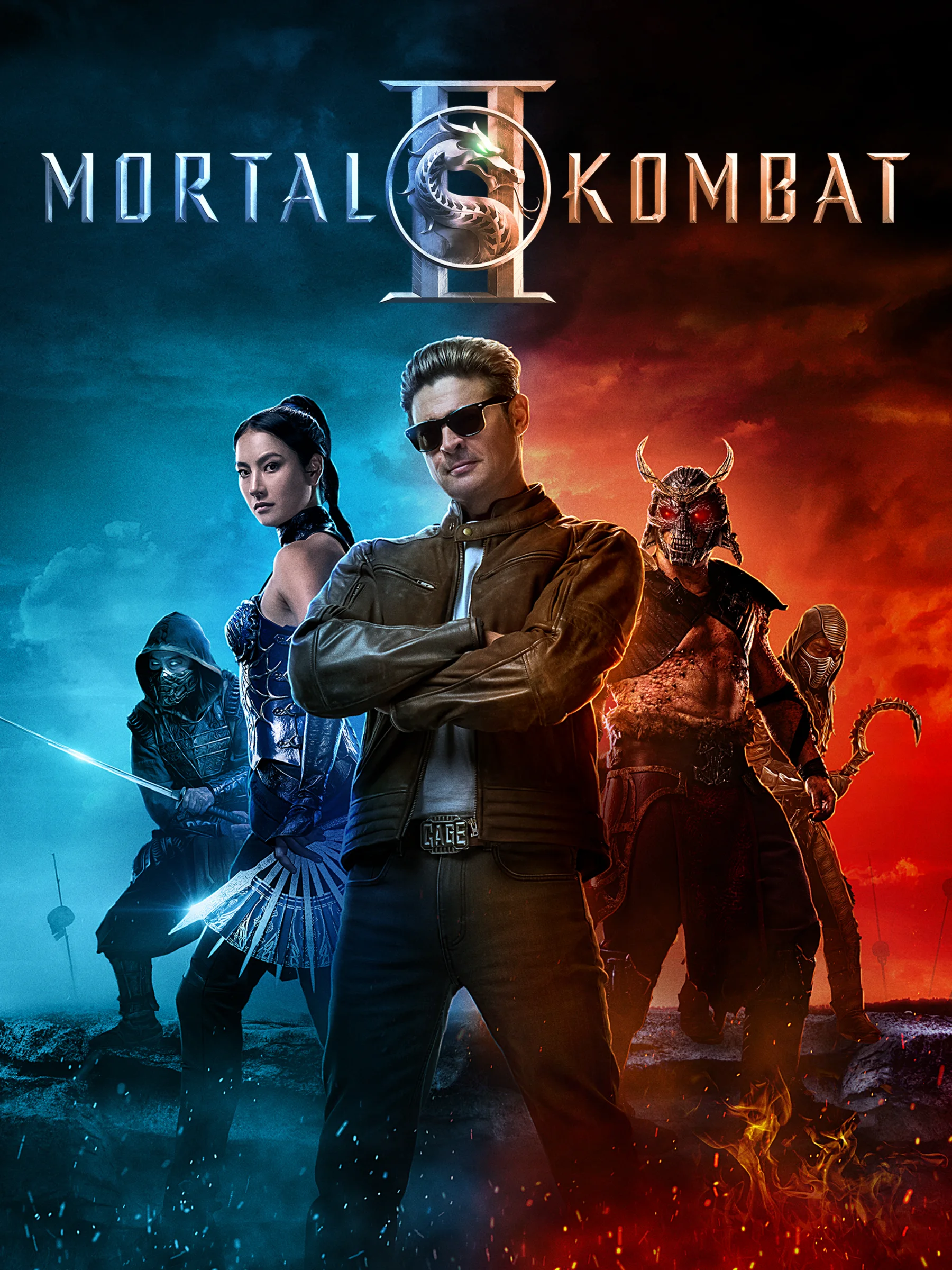
Mortal Kombat II knows why most people bought the ticket. Nobody is sitting in the dark waiting for a delicate political negotiation. They want recognizable fighters, absurd violence and at least one moment that makes the audience collectively wince. On that level, the sequel is generous.
The tournament finally feels like the main event
The 2021 reboot spent a lot of time arranging pieces. This sequel has more confidence about delivering the franchise's basic promise: fighters with impossible abilities beating each other in increasingly elaborate ways. The action is cleaner, the scale is larger and the fatalities understand the series' unique relationship with bad taste.
Karl Urban adds a different energy to the ensemble. He knows exactly how seriously this universe should be taken, which is to say seriously enough to sell the danger but not so seriously that the entire enterprise becomes embarrassed by its own name.
The space between fights is still the problem
Here is where I keep getting stuck with these movies. Mortal Kombat has decades of characters, realms, rivalries and mythology, yet the connective storytelling can still feel like waiting for the next match to load. The film has plot — plenty of it — but plot and momentum are not the same thing.
When characters stop fighting, the movie sometimes seems uncertain whether to deepen them or simply explain the next objective. I wanted more of the sincerity that made the games' ridiculous mythology memorable in the first place.
Fan service with actual craft
Still, the sequel is technically more assured than its predecessor. The combat has impact, the visual effects generally support rather than obscure the choreography, and the movie is willing to be gruesome in a way a sanitized adaptation would not survive.
The fights finally carry more personality
A fighting-game adaptation should understand that choreography is characterization. The best sequences here do. Different combatants move with distinct rhythms, and their abilities affect how a scene is staged rather than simply providing a colorful effect at the end. That makes the roster feel less like a checklist.
The movie also embraces the ridiculous theatricality of Mortal Kombat. This universe becomes strangely dull when filmmakers apologize for it. Ninjas, realms, sorcerers and impossible finishing moves need conviction more than realism.
Mythology needs emotional stakes
The remaining weakness is that exposition often explains why a battle matters before the characters have made us feel why it matters. The games can get away with a ladder of opponents because the player supplies the momentum. A movie needs relationships, grudges and choices to create the same urgency.
When Mortal Kombat II finds that connection, the violence becomes satisfying rather than merely decorative. When it does not, even an elaborate fatality can feel like punctuation attached to a sentence nobody remembers.
Verdict
Mortal Kombat II gives fans more of what they came for and executes it with greater confidence. The problem is everything connecting those pleasures. I had fun whenever the movie stopped preparing for Mortal Kombat and simply became Mortal Kombat. If the next installment can make the people as compelling as their finishing moves, this series may finally land the flawless victory it keeps chasing.