Day-for-night photography is a cinematic technique that allows filmmakers to shoot scenes during the day while making them appear as if they were filmed at night. This method has been employed for decades to bypass the challenges and costs associated with night shooting. However, the technique often results in a distinctive, uncanny look that can either enhance or detract from the film's atmosphere, depending on its execution.
Understanding Day-for-Night Photography
The primary goal of day-for-night photography is to simulate nighttime conditions while utilizing the natural light available during the day. This is achieved through a combination of camera settings, filters, and post-production adjustments. Traditionally, filmmakers would use blue filters and underexpose the film to mimic the cooler tones and reduced light levels of nighttime.
In the digital age, software tools allow for more precise control over color grading and exposure adjustments, enabling filmmakers to refine the day-for-night effect with greater subtlety. Despite these advancements, the technique still carries a unique visual signature that can be recognized by keen viewers.
Visual Cues and the Uncanny Effect
Several visual cues can signal the use of day-for-night photography:
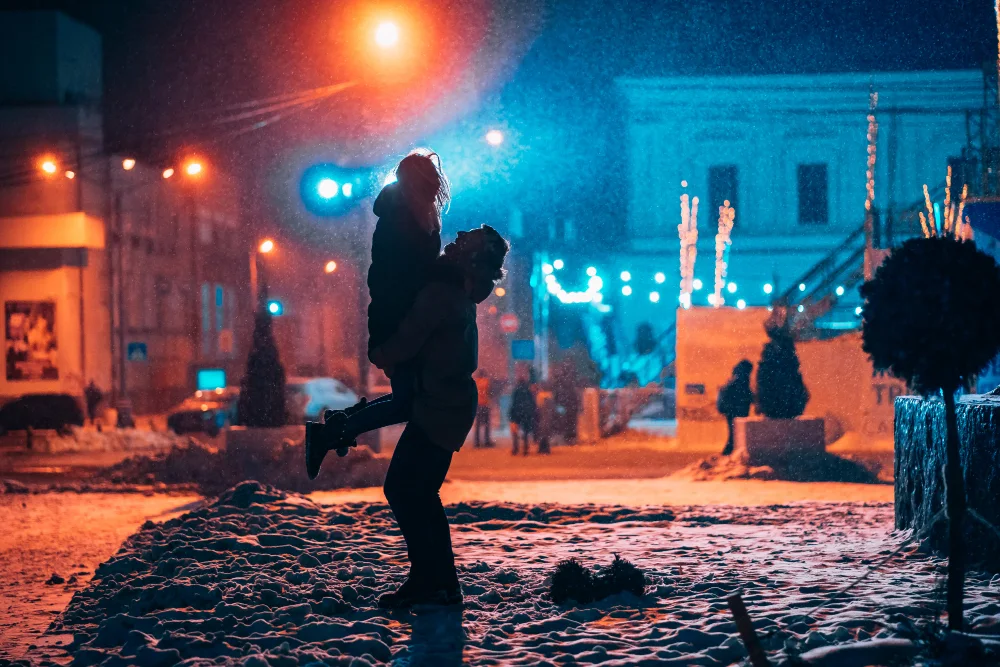
- Blue Tint: A hallmark of day-for-night scenes is the bluish tint applied to the footage, which mimics the color temperature of moonlight.
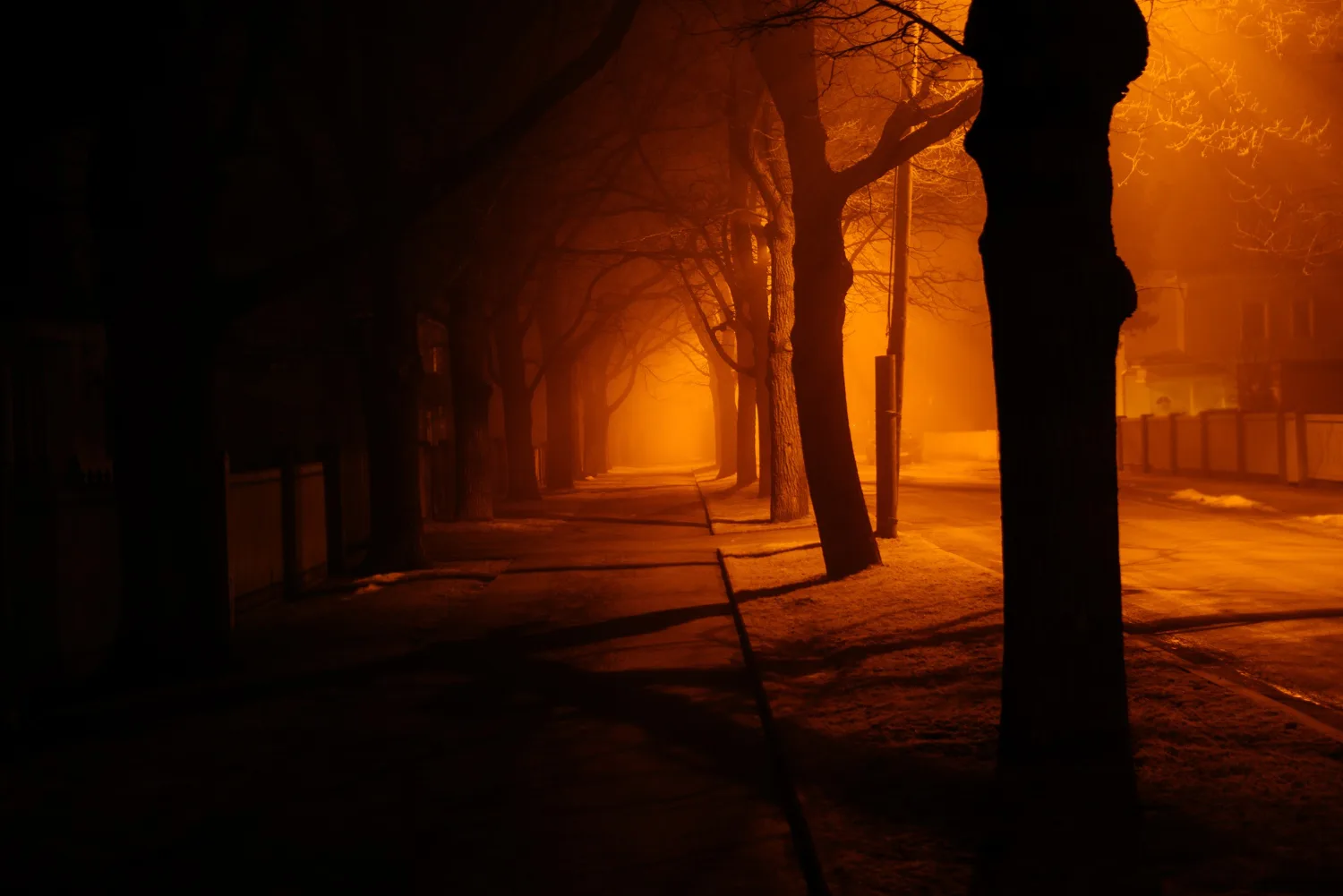
- Deep Shadows: Since the scenes are shot during the day, shadows can appear unusually deep and pronounced, contributing to the uncanny feel.
- Sky Visibility: In some instances, the sky may appear brighter than expected for a night scene, revealing the technique.
- Inconsistent Lighting: The presence of strong light sources, such as the sun, can create inconsistencies that betray the illusion of nighttime.
Historical Use of Day-for-Night
Day-for-night photography has been a staple in cinema since the early 20th century. Classic films such as "Lawrence of Arabia" and "Jaws" utilized this technique to great effect, allowing filmmakers to capture expansive outdoor scenes without the logistical challenges of night shooting.
In these early applications, the technique was often a necessity due to the limitations of film technology and budget constraints. However, the distinct look of day-for-night has since become a stylistic choice in its own right, used to evoke a dreamlike or surreal atmosphere.
Modern Digital Treatment
With the advent of digital technology, the approach to day-for-night photography has evolved. Filmmakers now have access to advanced color grading tools that can enhance the realism of the effect. Software such as Adobe Premiere Pro and DaVinci Resolve allow for precise adjustments to color balance, contrast, and exposure, enabling a more seamless integration of day-for-night scenes into the overall visual narrative.
Despite these advancements, the technique remains a creative challenge. Filmmakers must carefully balance the technical aspects with the artistic intent to ensure that the day-for-night effect enhances rather than detracts from the story.
Cue-by-Cue Viewing Guide
For those interested in identifying day-for-night photography in films, here is a cue-by-cue guide:
- Observe the Color Palette: Look for a bluish tint that suggests moonlight.
- Check the Shadows: Notice if shadows are unusually dark or long, indicating daytime filming.
- Sky Anomalies: Pay attention to the brightness of the sky; a too-bright sky can reveal the technique.
- Lighting Consistency: Look for inconsistencies in lighting that might indicate the presence of the sun.
By understanding these cues, viewers can gain a deeper appreciation for the craftsmanship involved in creating day-for-night scenes and the artistic choices that define their impact.